Written findings
What we tested and what we found
Electronic Leak Detection Kearny NJ uses acoustic listening devices, thermal imaging cameras, and pressure testing gauges to pinpoint hidden water leaks without tearing up your floor. If your water bill jumped, a floor feels warm, or you hear water running when nothing is on, we find the source the same day. We work across Hudson County and know exactly how Kearny's older housing stock hides leaks.
Every detection call covers the full diagnostic sweep and a written summary of what we found. Repair work is quoted separately once the leak is located, so you are never paying for demolition before you know the problem.
We test your supply line, sweep the floor with acoustic and thermal gear, and mark the leak before any concrete comes up. You get the findings in writing the same visit.
We schedule around your business hours and isolate the leak without shutting down the whole building. You get a written report you can hand to the owner or insurer.
Electronic Leak Detection Kearny NJ is a non-invasive diagnostic service that locates hidden water leaks using acoustic listening devices, thermal imaging cameras, and pressure testing gauges. We pressurize the line, listen for the escape point, and map the temperature difference the leak creates under the slab. Instead of breaking concrete on a guess, we mark the exact spot on the floor and only open what we have to. Most inspections take two to four hours from arrival to written findings.
Kearny homes built before 1970 usually still run copper pipes under the slab, and copper corrodes where soil shifting and road salt have worked the line loose. That is why we get so many calls from the 07032 ZIP code after a cold snap. If you are searching for digital leak detection near me Kearny, we can usually be on site the same day, confirm the leak, and tell you whether it is a repair or a reroute before we leave.
We listen, we scan, we mark the spot before anyone cuts concrete.
Five steps, no surprises. Here is exactly how a call-out runs from the moment we pull up to the moment we hand you the findings.
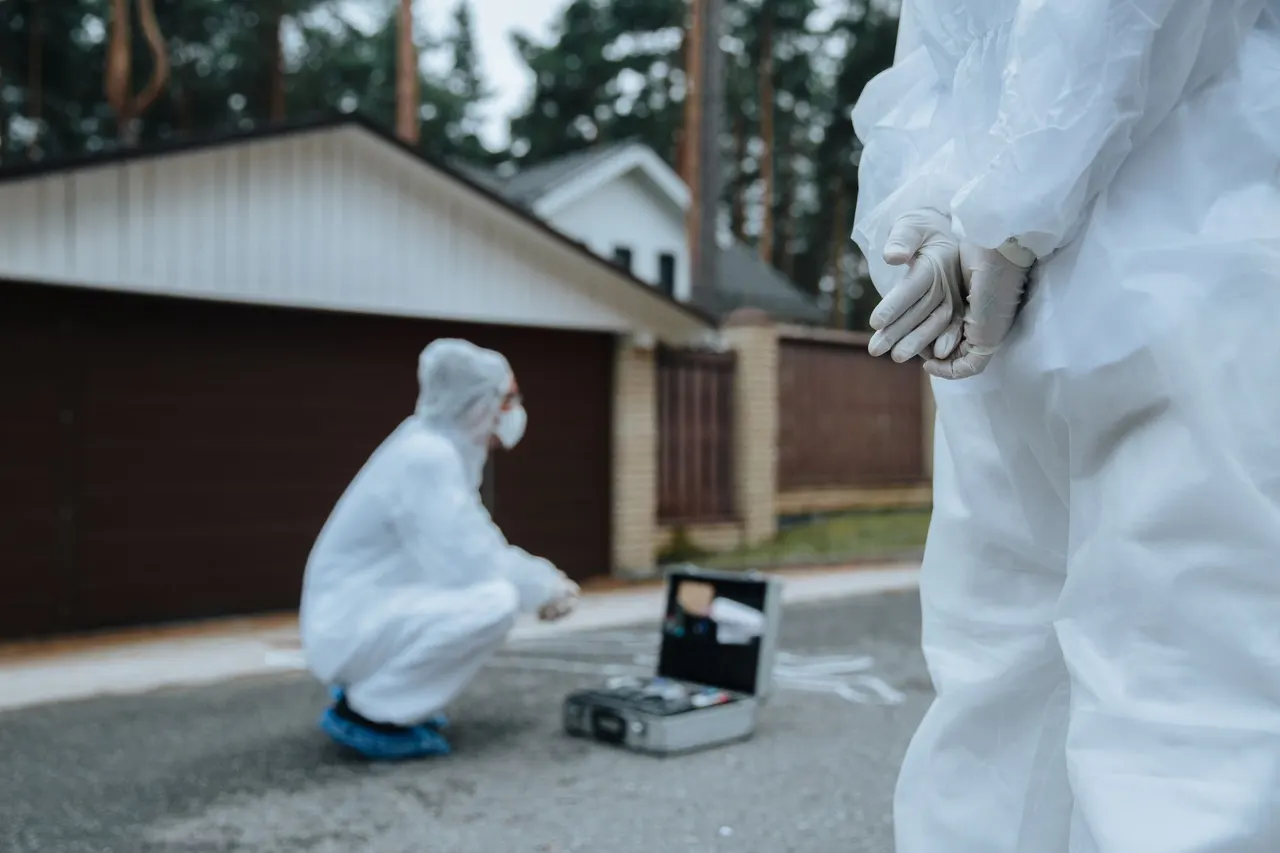
We ask what you have noticed: warm spots, a spike on the bill, the sound of running water at night. That history tells us which line to test first. Takes about ten minutes and saves an hour of searching.

We isolate the domestic water line and pressurize it with pressure testing gauges. If the gauge drops with every fixture closed, the leak is confirmed on the supply side. This is the step that separates a real slab leak from a drain issue.
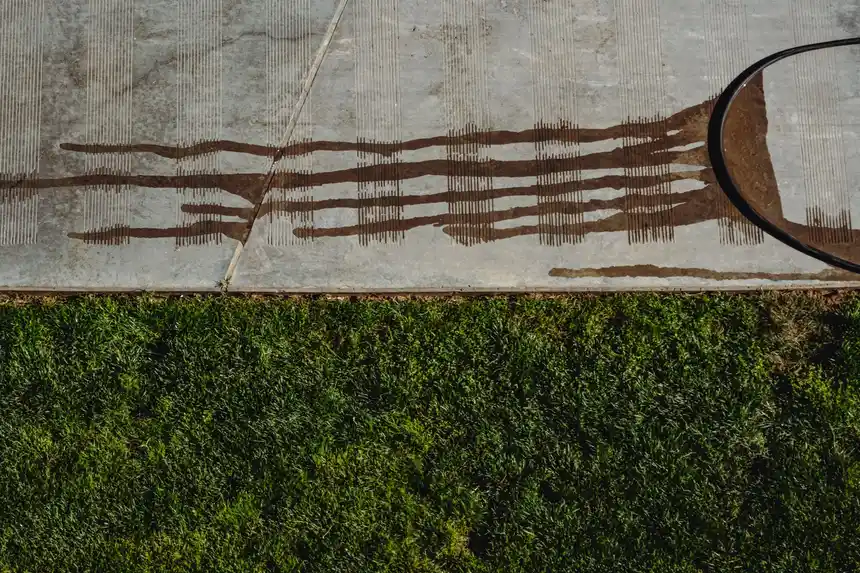
Acoustic listening devices pick up the hiss of water escaping under pressure. Thermal imaging cameras show the warm stripe a hot-water line leaves in the slab. We sweep the whole floor and compare both readings before we commit to a location.

We narrow the leak to a spot you could cover with a dinner plate, then mark it with tape on the floor. You see exactly where the break is before anyone touches a saw. Pipe locators confirm depth so we know what we are cutting into.
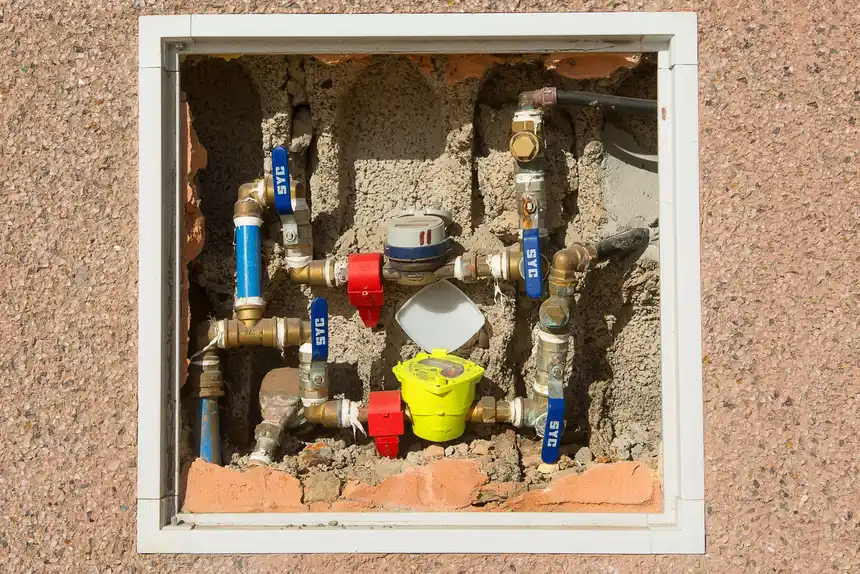
We walk you through what we found, show you the readings, and give you the repair options with pricing. If a reroute makes more sense than opening the slab, we tell you that straight. No pressure either way.

Pick up the sound of water escaping under pressure through concrete and soil. We use these to trace the leak path along the pipe.

Show temperature differences under the slab. Hot-water leaks read as warm stripes; cold-line leaks read as cool spots.
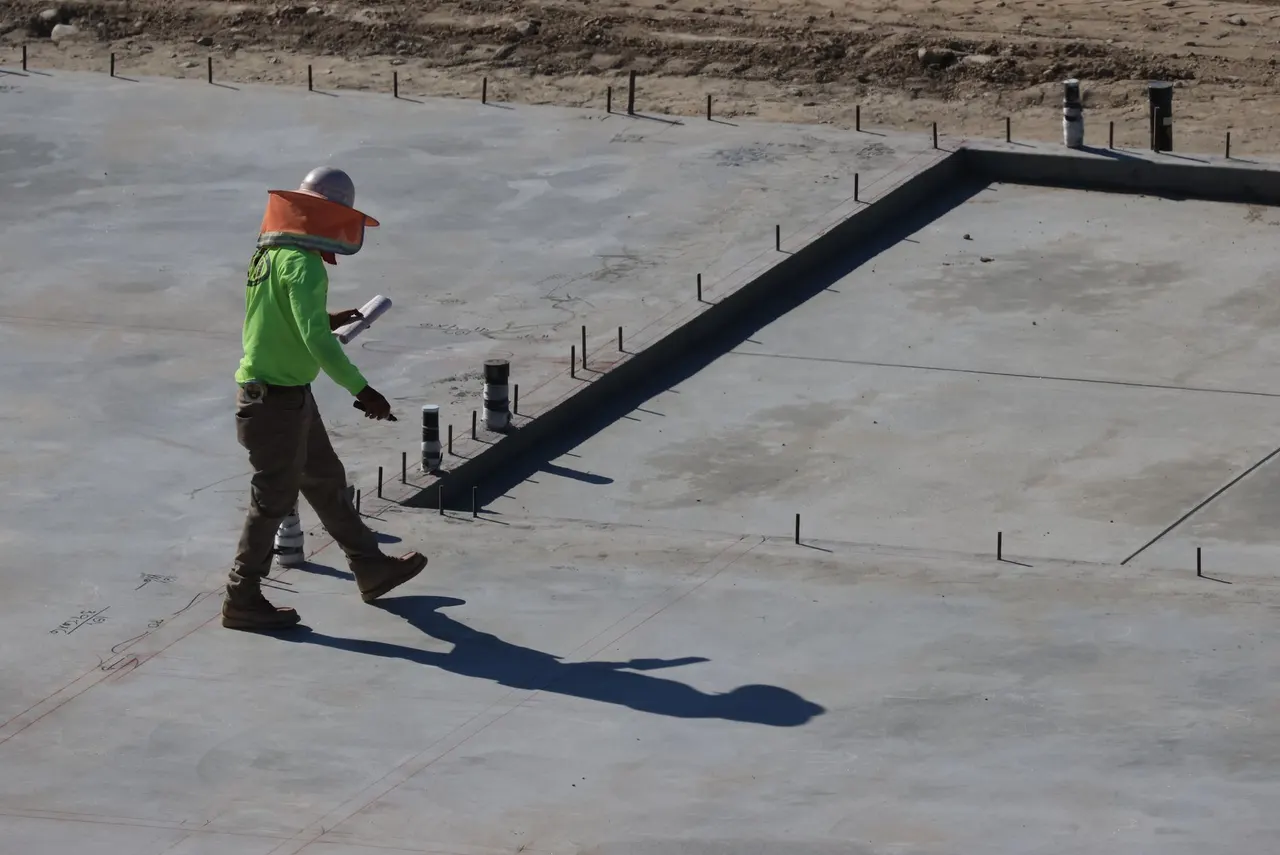
Confirm whether the leak is on the supply side by isolating the line and watching for pressure drop with all fixtures closed.
Check drain lines and accessible pipe interiors when the leak source is ambiguous between supply and drain.
Confirm pipe depth and path before we cut, so we know exactly what is under the marked spot.
Cross-check acoustic readings on longer pipe runs where a single listening point is not enough to pinpoint the break.
Map the wet zone in carpet, drywall, and baseboards to confirm how far moisture has traveled from the leak.
All isolation, testing, and repair work follows the Uniform Plumbing Code as adopted in New Jersey. That means proper backflow protection, correct materials, and testable joints.
We run a full pressure test on the supply line, then sweep the slab with acoustic and thermal equipment. If the leak is underground, we mark it and quote the repair. You know within a few hours whether you have a slab leak or a simpler problem, and you have a repair number to work from.
Thermal imaging pinpoints the warm stripe, and acoustic gear confirms the break. We check whether a reroute through the wall is cheaper than opening the slab. The leak gets fixed with the smallest possible opening, and your floor stops heating up.
We run a pre-purchase detection sweep: pressure test, acoustic listen, and thermal scan. You get a written report on the condition of the under-slab lines. You negotiate with real information instead of hoping the inspection caught it.
We isolate the domestic water line and pressure test it. If it holds, the water is not from your plumbing. If it drops, we locate the break. You stop chasing the wrong problem and fix the right one.
Kearny sits on a mix of older housing stock and post-war ranches, and the plumbing under those slabs tells you a lot before you even start testing. Pre-1970 homes usually have copper pipes that have been sitting in Hudson County soil for decades, and copper thins out where soil shifting and winter freeze-thaw have worked the line. We see a spike in calls from the 07032 ZIP code every January and February when the ground moves. The Passaic River side of town has a higher water table, which changes how moisture reads under a slab and means we lean harder on pressure testing to separate a real leak from groundwater. If you are searching for electronic leak detection Kearny NJ near me, we can usually be on site the same day and have findings in your hands before dinner.
A homeowner on the Arlington Manor side had a water bill that jumped from $90 to $280 in one quarter. No visible water, no wet spots, but the meter spun with everything off. They had already had one contractor suggest breaking up the whole kitchen floor.
We pressure tested the supply line, confirmed a drop, and swept with acoustic and thermal gear. The leak was a pinhole in the hot-water copper about 14 inches from the kitchen wall. One 2-by-2 foot opening, repaired in three hours, and the next bill came back to $95.
We recommended a yearly meter check with all fixtures off. If the dial moves, call before the bill spikes. Catching it early keeps the repair small.
A Belleville customer had a warm stripe running across the hallway floor and assumed the worst: a slab leak under the whole run. They were ready to approve a full floor tear-out and reroute.
Thermal imaging showed the warm zone was short and localized near the water heater closet. Acoustic testing confirmed the leak was on the feed line, not the slab run. We repaired the accessible section in under two hours and the floor cooled down within a day.
We suggested insulating the exposed feed line and checking the water heater pan monthly. Small drips there are easy to catch before they spread.
A Kearny two-family near the Belleville border had water showing up in the downstairs unit's bathroom. Both tenants blamed each other's plumbing and nobody could agree on who was responsible for the repair.
We tested both units separately with pressure gauges and isolated the leak to the upstairs supply line. The written findings settled the question. One small slab opening, repaired the same day, and the downstairs ceiling dried out over the following week.
We recommended both units check their meter dials monthly. In shared buildings, catching a leak early avoids the argument about who pays.
Most slab leaks announce themselves in ways homeowners misread. Here are the calls we get most often in Kearny and what is usually behind them.
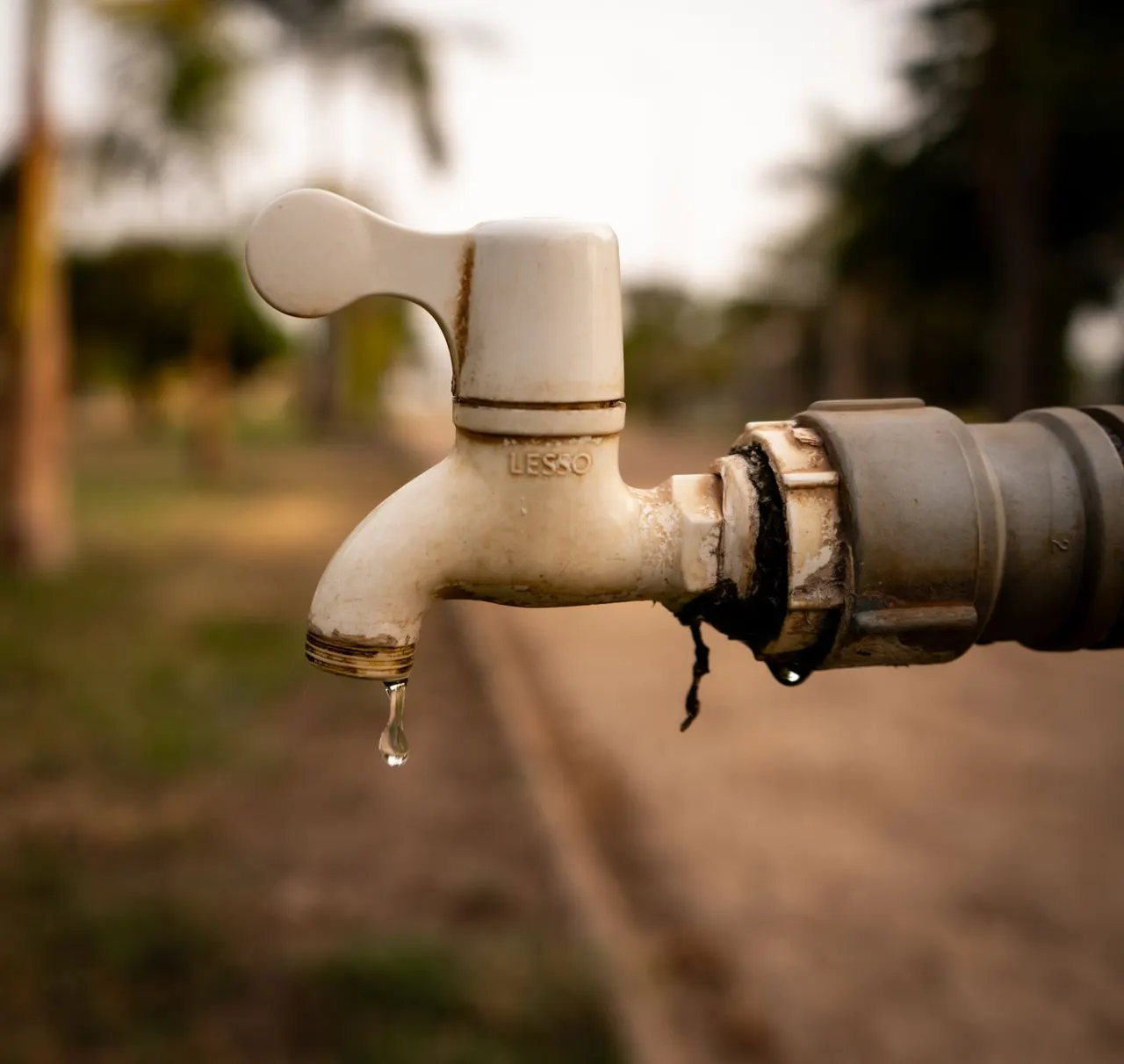
We pressure test the supply line first. If it holds, we check the meter and fixtures. If it drops, we sweep with acoustic and thermal gear until we find the escape point and mark it. A hidden slab leak can waste thousands of gallons a month and quietly undermine the soil under your foundation.
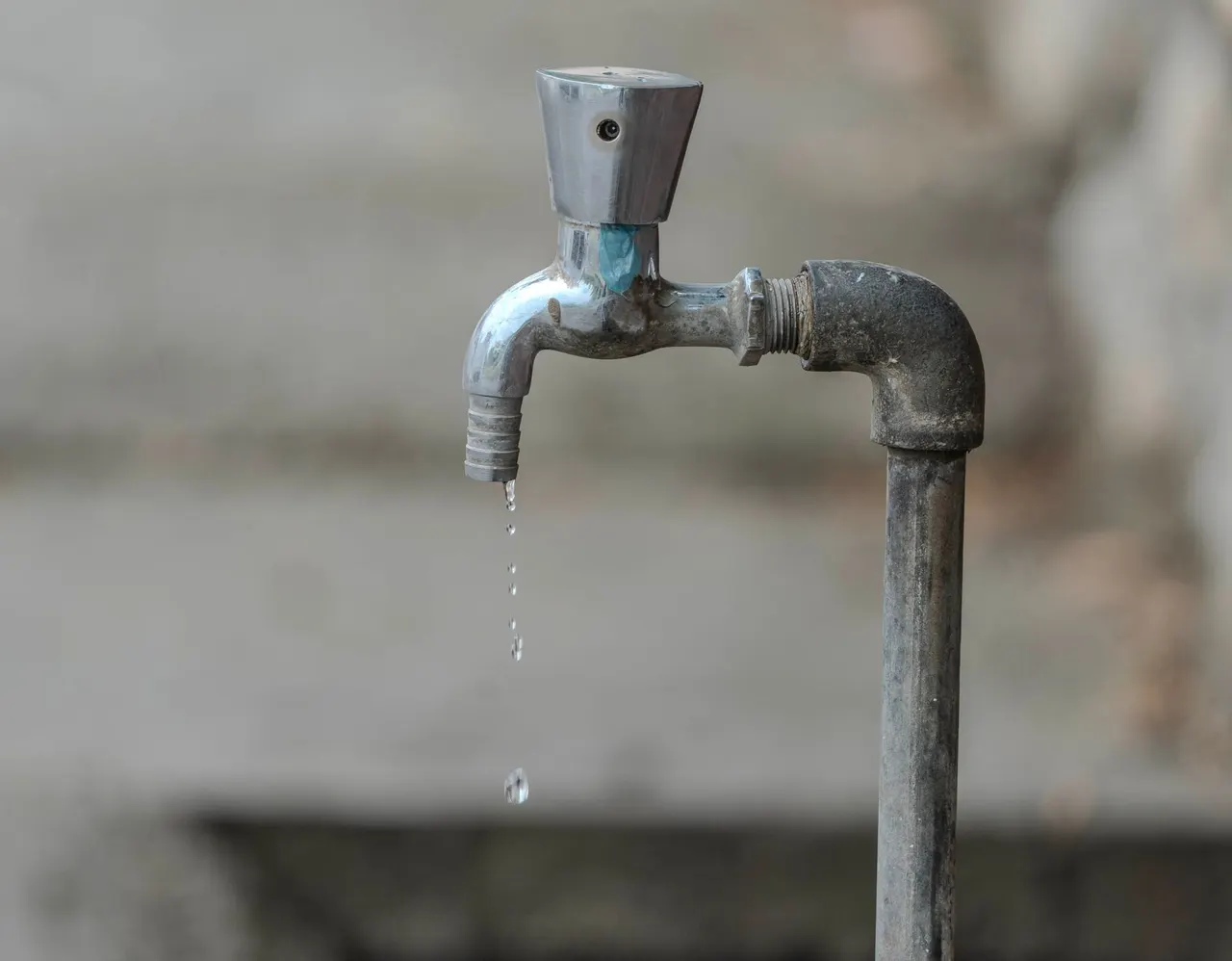
Thermal imaging shows the warm stripe immediately. We confirm with acoustic listening, then give you the choice of a spot repair or a reroute through the wall. A hot-water line leaking under the slab heats the concrete and can crack tile or warp hardwood within weeks.
We isolate the line and listen with Sewerin acoustic devices to separate a slab leak from a toilet flapper or a drain issue. You get a straight answer on which it is. That noise is water escaping under pressure. Left alone it erodes soil, shifts the slab, and can crack the foundation.
We use moisture meters to map the wet zone, then trace it back to the pipe. Electronic detection finds the source so drying and repair target the right area. Moisture wicking up from a slab leak feeds mold growth behind baseboards and under padding within a few weeks.
We mark the leak within a few inches before any concrete comes up. On a typical Kearny slab job that means one 2-by-2 foot opening instead of a trench across the living room. You save the flooring, the patching, and two days of dust.
Digital leak detection in Kearny NJ same day means you are not waiting a week to learn whether your water bill problem is a slab leak or a running toilet. We test, confirm, and hand you findings in one visit.
A slab leak can push a Kearny household past 15,000 gallons a month without a single visible puddle. Once we isolate the line and repair it, most customers see the next billing cycle drop back to normal usage.
Hidden water under a slab wicks into baseboards and carpet tack strips within weeks. Catching it with electronic leak detection in Kearny, New Jersey means drying a small area instead of remediating a whole room.
Detection pricing in Kearny for 2026 runs $250 to $550 for most residential calls, quoted flat before we start. What moves the number is how many lines we test, whether it is a slab or a wall, and whether we need to isolate multiple units. Repair is always quoted separately once we know what we are dealing with, so you approve it before any work begins. We do not charge hourly for the search, which means a tricky leak does not cost you more than a simple one.
What your estimate is based on
$250 - $550 for most residential detection calls The detection fee is a fraction of what exploratory demolition costs. One wrong cut in a slab can run into thousands in flooring and concrete work. Paying for accurate detection first is the cheapest part of the whole job.
Clear records you can keep and share.
What we tested and what we found
Taped on the floor, depth confirmed
Spot repair or reroute, priced
Detection comes before demolition, always. If a contractor wants to open your floor without testing first, you are paying for their guess.
A dropping gauge with all fixtures closed confirms a supply-side leak. If the gauge holds, the problem is elsewhere and you just saved a slab cut.
Acoustic and thermal results have to match before we mark a spot. One reading alone can be fooled by drains, groundwater, or radiant heat.
Sometimes running a new line through the wall costs less than opening the slab. We price both and tell you which makes more sense for your house.
Outside these areas? Call and ask if we cover your street. +16462099461
Most residential detection calls in Kearny run $250 to $550 in 2026, depending on how many lines we test and whether it is a slab, wall, or buried exterior line. That covers the full inspection and written findings. Repair is quoted separately once we know what we are dealing with, so you approve the number before any work starts.
It is a non-invasive way to find hidden water leaks using sound and heat instead of demolition. We pressurize the line, listen with acoustic devices, and scan with thermal cameras to locate the escape point. In Kearny, that usually means finding a pinhole in copper under a slab without breaking the floor to look for it.
Yes. Combining acoustic listening with thermal imaging and pressure testing pins the leak within a few inches on most jobs. No method is perfect on every pipe, which is why we cross-check two or three tools before we mark the floor. If the readings disagree, we keep testing until they line up.
That is exactly what it is built for. Slab leaks hide under concrete where you cannot see them, but they still make noise and still change the floor temperature. Electronic leak detection for slab leaks in Kearny NJ finds them without exploratory demolition, which is why we run it before any repair quote.
Water where it should not be gets worse every day you wait. Call us, tell us what you are seeing, and we will get a technician out to pinpoint it. Flat detection fee quoted upfront, findings in hand before we leave.
Call us at +16462099461 and we will ask a few questions about your water bill, your floor, and any sounds you hear. Most calls get a same-day visit. We serve Kearny and the surrounding Hudson County area, and we are open Monday through Friday from 8 a.m. to 6 p.m.