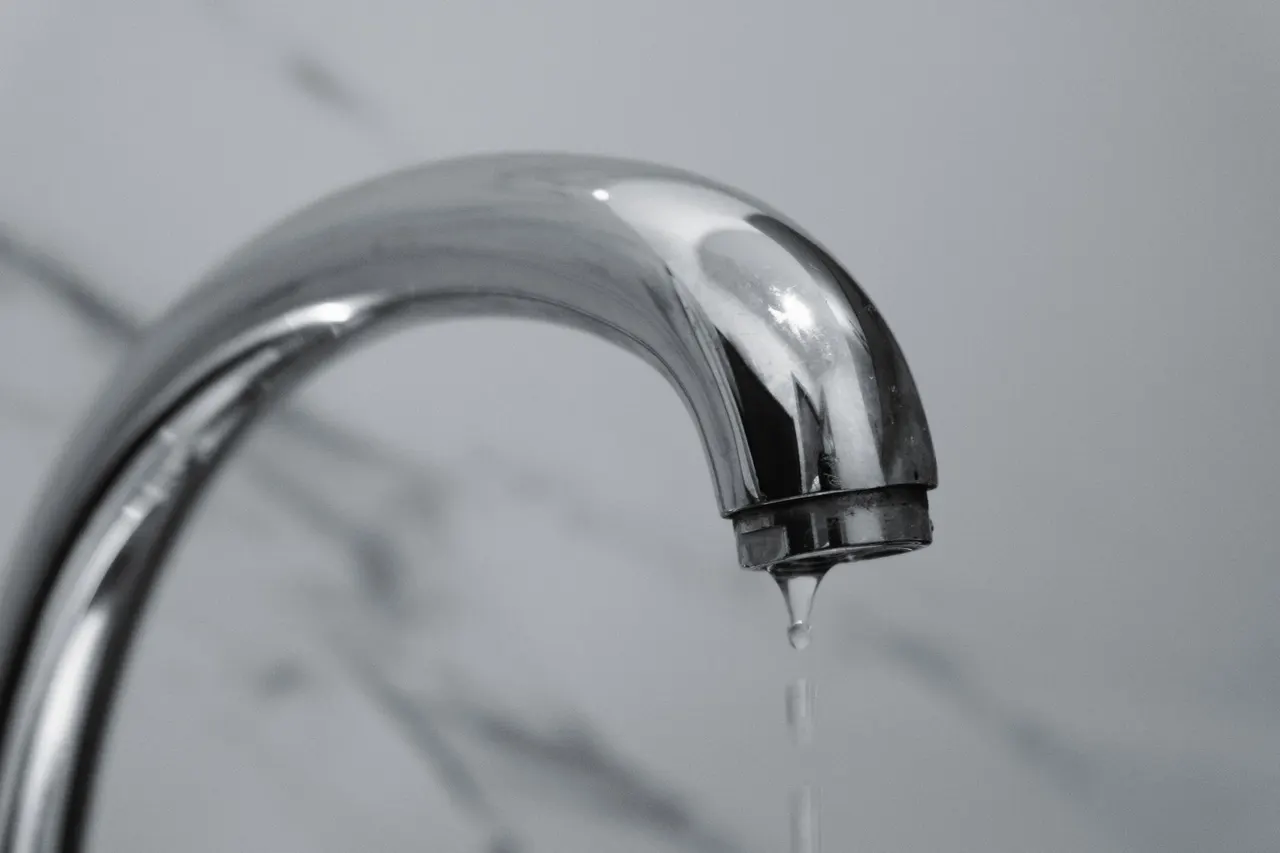
Marked leak point
Taped and photographed on your floor
Emergency Slab Leak Detection in Kearny is how we find water escaping under your foundation before it ruins the floor above it. Our technicians arrive with acoustic listening devices and thermal imaging cameras, pinpoint the break, and shut down the source. If your floor is warm, your water bill jumped, or you hear water running with every fixture off, call us at +16462099461. We cover Kearny, NJ and the surrounding Hudson County streets seven days a week.
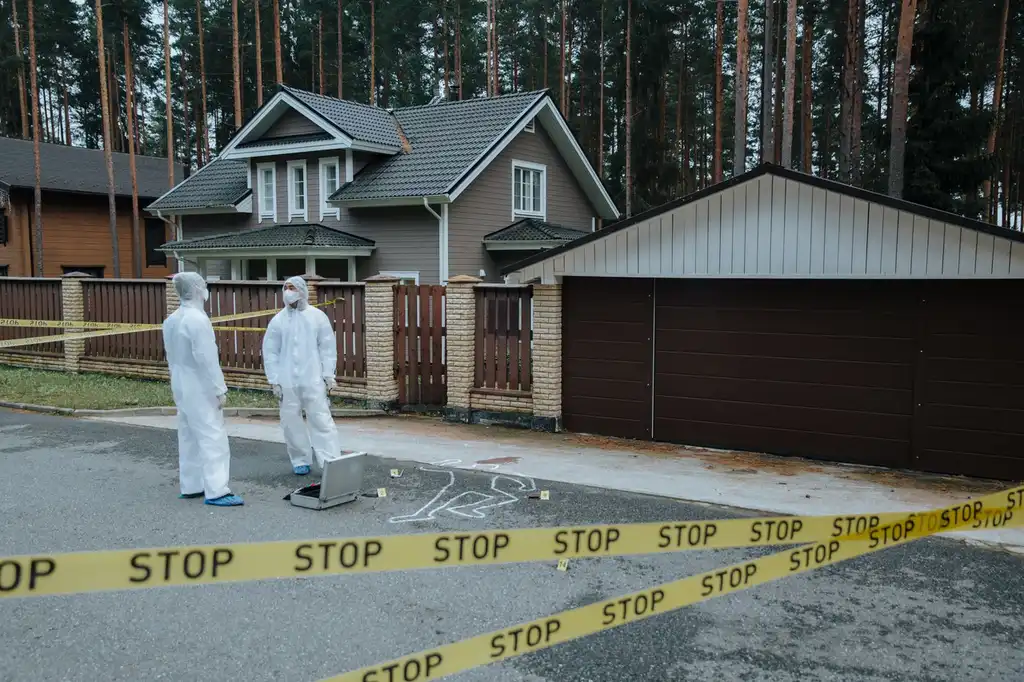
Every detection call covers the full diagnostic sweep and a written repair quote. Here is what you get when we show up, and what we quote separately if the job calls for it.

We find slab leaks in houses, condos, and two-family homes across Kearny. You get a marked leak point and a repair quote before we open the floor.
We work on commercial slabs, multi-family buildings, and mixed-use properties. Detection is scheduled around your operating hours so tenants and customers are not disrupted.
Emergency Slab Leak Detection in Kearny is the process of locating a pressurized water line failure beneath a concrete slab without breaking up the whole floor. We start by isolating the system with pressure testing gauges, then sweep the slab with acoustic listening devices and thermal imaging cameras to hear and see where water is moving. A pipe locator maps the line so we know exactly what we are dealing with, and moisture meters confirm how far the water has spread. Most detections take two to four hours from arrival to a marked, documented leak point.
Kearny homes sit on a mix of older copper pipes and mid-century galvanized lines that have been under the slab for decades. When soil shifting or pipe corrosion finally wins, you get a warm floor, a high water bill, or foundation cracks that show up out of nowhere. We get calls from Arlington Manor and Belleville homeowners who need 24/7 slab leak detection near me Kearny service at 2 a.m. because they can hear water running under the floor. That is exactly the call we are built for.
We find the leak first, then cut, so your floor stays whole.
Every job follows the same five steps. You will know what is happening at each stage and what it costs before we move to the next one.
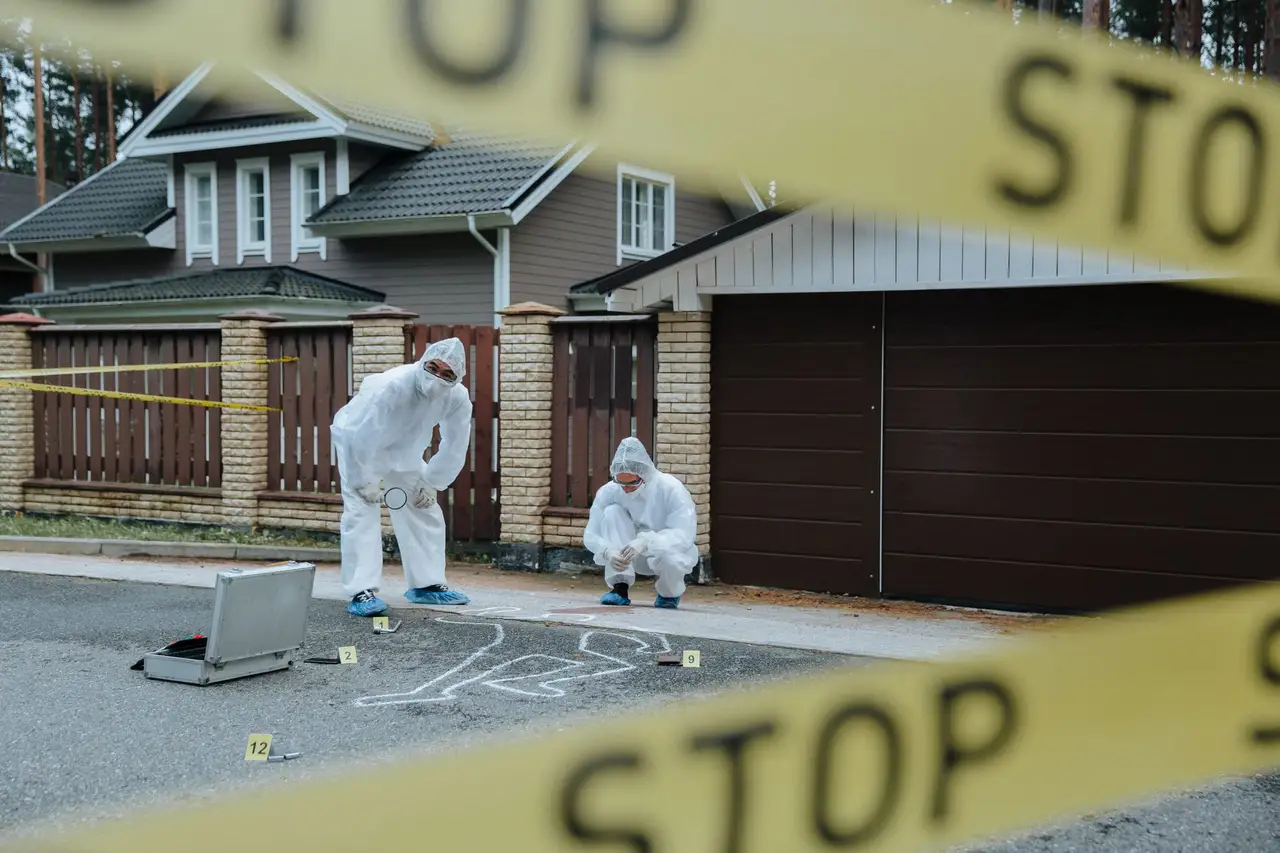
You call +16462099461 and describe what you are seeing: warm floor, high bill, sound of running water. We ask a few questions to rule out a running toilet or irrigation line, then dispatch the closest truck. Most Kearny calls get a technician on site within 60 to 90 minutes.
We shut off the main and pressurize the domestic lines with pressure testing gauges to confirm the leak is under the slab and not in a wall or crawlspace. This step takes 20 to 30 minutes and tells us whether we are dealing with hot-side or cold-side failure.
We walk the slab with acoustic listening devices and a Flir thermal imaging camera. The microphone picks up the hiss of pressurized water; the camera shows the temperature signature of a hot-line leak. Together they narrow the search to a 1-to-2-foot zone.
A pipe locator traces the exact run, and moisture meters map how far water has traveled. We mark the leak point on the floor with tape and photograph it. You see the evidence before we ever cut concrete.

We give you the repair options: spot repair, reroute through the attic, or trenchless lining. You pick, we schedule, and we handle the concrete patching mix and waterproofing membranes when the line is fixed. Most repairs are completed within one to two days of detection.
Picks up the sound of pressurized water escaping a pipe through 4 to 6 inches of concrete. We use it as the first pass on every residential slab leak call.

Shows the temperature signature of a hot-water leak as a warm streak on the floor. Confirms hot-side leaks in under 10 minutes and checks for hidden moisture after repair.
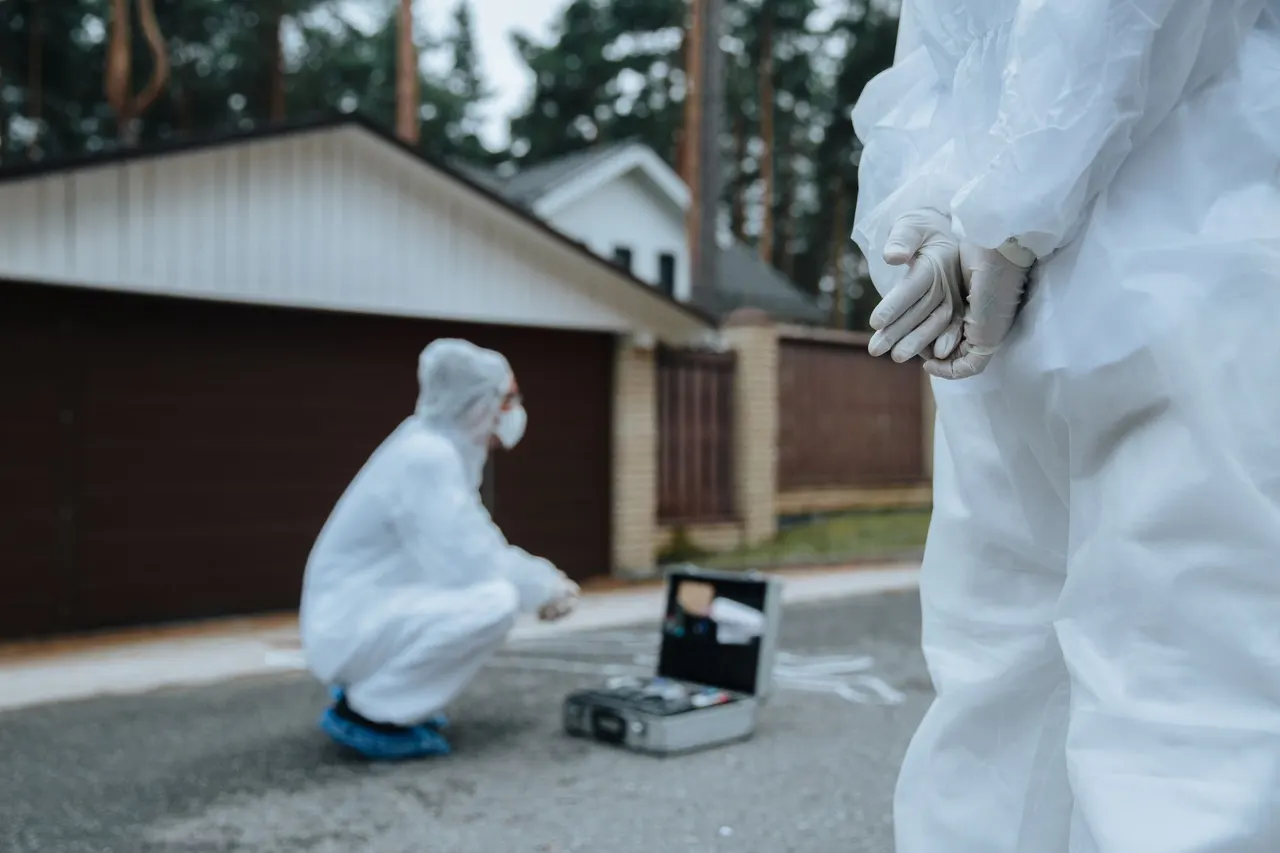
Isolates and pressurizes the domestic lines to confirm the leak is under the slab. Rules out fixtures, irrigation, and wall leaks before we commit to slab work.

Traces the exact run of the supply line under the slab so we know what we are cutting into. Prevents accidental damage to gas, drain, or electrical runs.
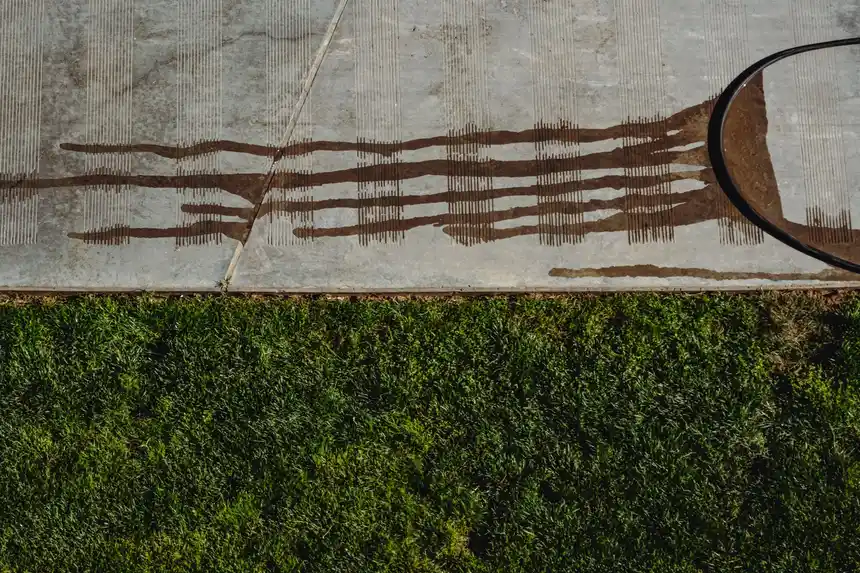
Inspects drain lines and confirms whether a slab leak has affected the sewer side. Useful on older Kearny homes with cast iron drains.
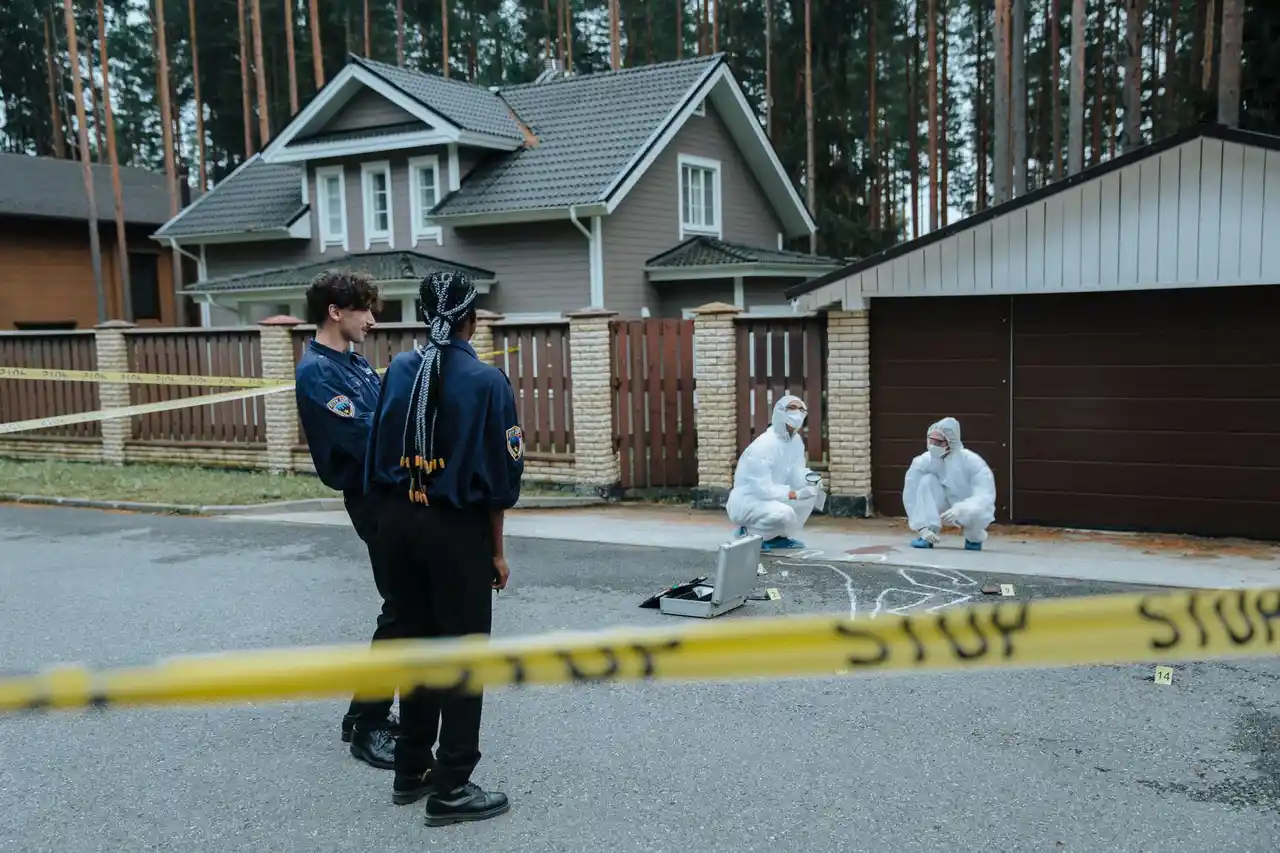
Maps how far water has spread under the slab and into adjacent walls. Tells you whether mold growth is a risk and what needs to be dried out.
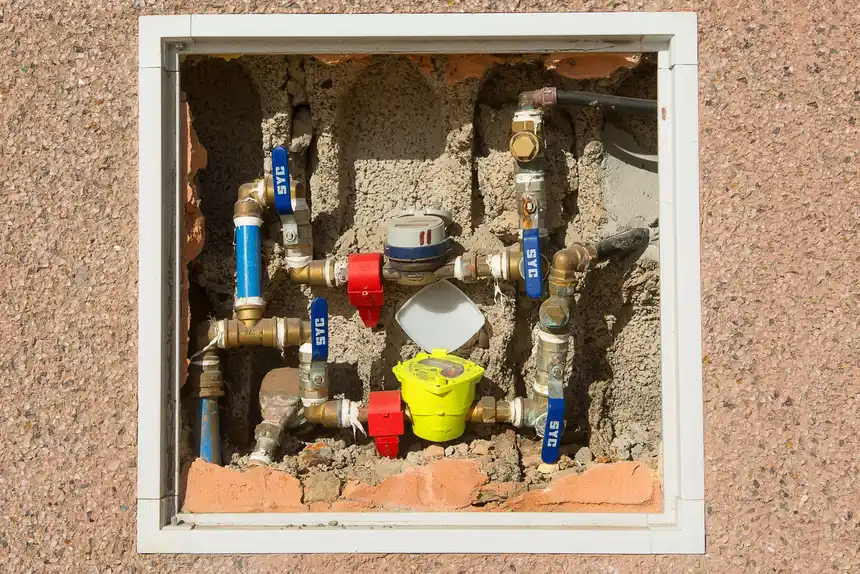
Every repair we make follows the Uniform Plumbing Code as adopted in New Jersey. We pull permits when the scope requires it and build the repair to pass inspection. No shortcuts that fail at resale.

We handle supply-line work in line with NJ DEP rules, including backflow prevention on commercial connections. Our technicians hold current Backflow Prevention Certification.
We dispatch a truck with thermal imaging and acoustic gear. The technician confirms the hot-line leak, marks the point, and quotes the repair before leaving. Most calls like this are resolved within 24 hours. The line is repaired, the floor dries out, and your water heater stops running nonstop. You avoid a foundation repair bill.
We isolate each unit's supply lines, run electronic leak detection with tracer gas, and locate the break under the common-area slab. The repair is scheduled around tenant hours. The leak is fixed without displacing tenants, and the building owner gets a documented report for the insurance claim.
We run a same day emergency slab leak detection Kearny NJ inspection and provide a written report with photos and pressure-test results. If there is a leak, we quote the repair; if there is not, you have documentation for the buyer. The sale moves forward with a clear answer, and you avoid a last-minute price renegotiation.
We use pipe locators and acoustic gear to map the line under the slab, then confirm the leak point with moisture meters. The repair is scheduled after hours so business is not interrupted. The leak is fixed overnight, the water bill returns to normal, and the warehouse floor is patched and sealed before the next shift.
Kearny sits on a mix of pre-war housing and mid-century construction, and the slab leaks we see here reflect that. The older streets near the Passaic River have copper supply lines that have been under concrete for 60-plus years, and the soil under them shifts with every wet spring. We see a spike in calls from November through March when the ground temperature drops and the pipes contract. On the commercial side, the industrial corridor along the rail lines has long slab runs that need electronic leak detection rather than acoustic gear. If you are searching for 24/7 slab leak detection in Kearny NJ open now, we are the crew that answers at 3 a.m. and rolls a truck. We know which streets have the oldest copper, which buildings have PEX run too tight under 1990s additions, and how to work around the tight access on the older lots. That local knowledge is why we usually find the leak on the first visit.
A homeowner in Arlington Manor had a warm spot on the kitchen floor and a water heater running nonstop. The water bill had jumped by $180 over two months. A previous plumber had quoted a full floor replacement without confirming the leak location.
We confirmed a hot-line slab leak with the thermal camera, pinpointed it with acoustic gear, and repaired the failed copper section the next day. The access opening was 2 feet by 2 feet. The water bill dropped back to normal within one cycle, and the water heater stopped running constantly.
We recommended an annual pressure test on the remaining copper lines and a moisture check each spring. Catching the next pinhole early avoids another slab opening.
A six-unit building near the Belleville border had water staining on a ground-floor ceiling and a soft spot in the common-area floor. The owner had no idea which unit or line was responsible and was facing a full slab break-out.
We isolated each unit, ran electronic leak detection with tracer gas, and located a pinhole leak in a cold-water copper line under the common slab. The repair was completed in one day, and the concrete was patched and sealed. The owner avoided a full floor replacement and got a documented report for insurance.
We set up a quarterly meter check for the building and recommended a pressure test on the remaining lines each fall. Early detection keeps the next leak from reaching a tenant unit.
A Kearny colonial had a 6-foot foundation crack along the slab edge and a water bill that had crept up 30 percent over six months. The homeowner assumed it was a foundation problem and was quoted $12,000 for underpinning.
We ran acoustic detection and found a cold-line slab leak 4 feet from the crack. The leak had washed out the soil under the slab and caused the settling. We repaired the line, patched the concrete, and applied a waterproofing membrane. The crack stopped growing, and the underpinning quote was no longer needed.
We recommended a moisture meter check each spring and a pressure test every two years. Keeping the soil dry around the slab edge is what stops the crack from reopening.
Most Kearny slab leak calls start with one of these four symptoms. If any of them sound familiar, call us before the damage spreads.

We confirm the hot-side leak with a Flir thermal camera, isolate the line, and pinpoint the break with acoustic gear. Most hot-line slab leaks are repaired the same day with a spot repair and a new section of copper or PEX. A hot-water line is leaking under the slab and heating the concrete from below. Left alone, it erodes the soil under the foundation and can cause settling cracks.
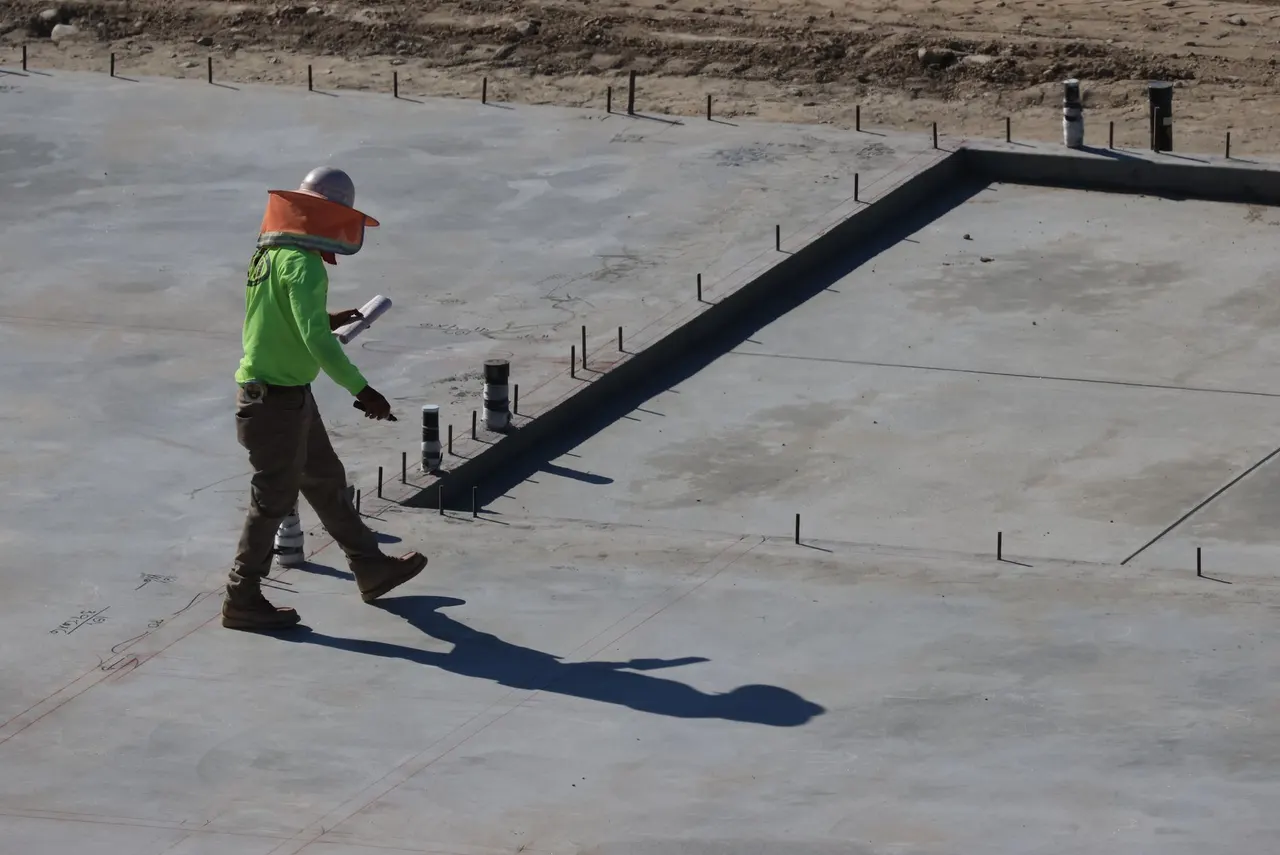
We pressure-test the system, run acoustic detection, and locate the leak within a 1-to-2-foot zone. You get a marked leak point and a repair quote before we cut any concrete. A hidden water leak is running continuously under your slab. You are paying for water that never reaches a fixture, and the soil under your foundation is getting saturated.
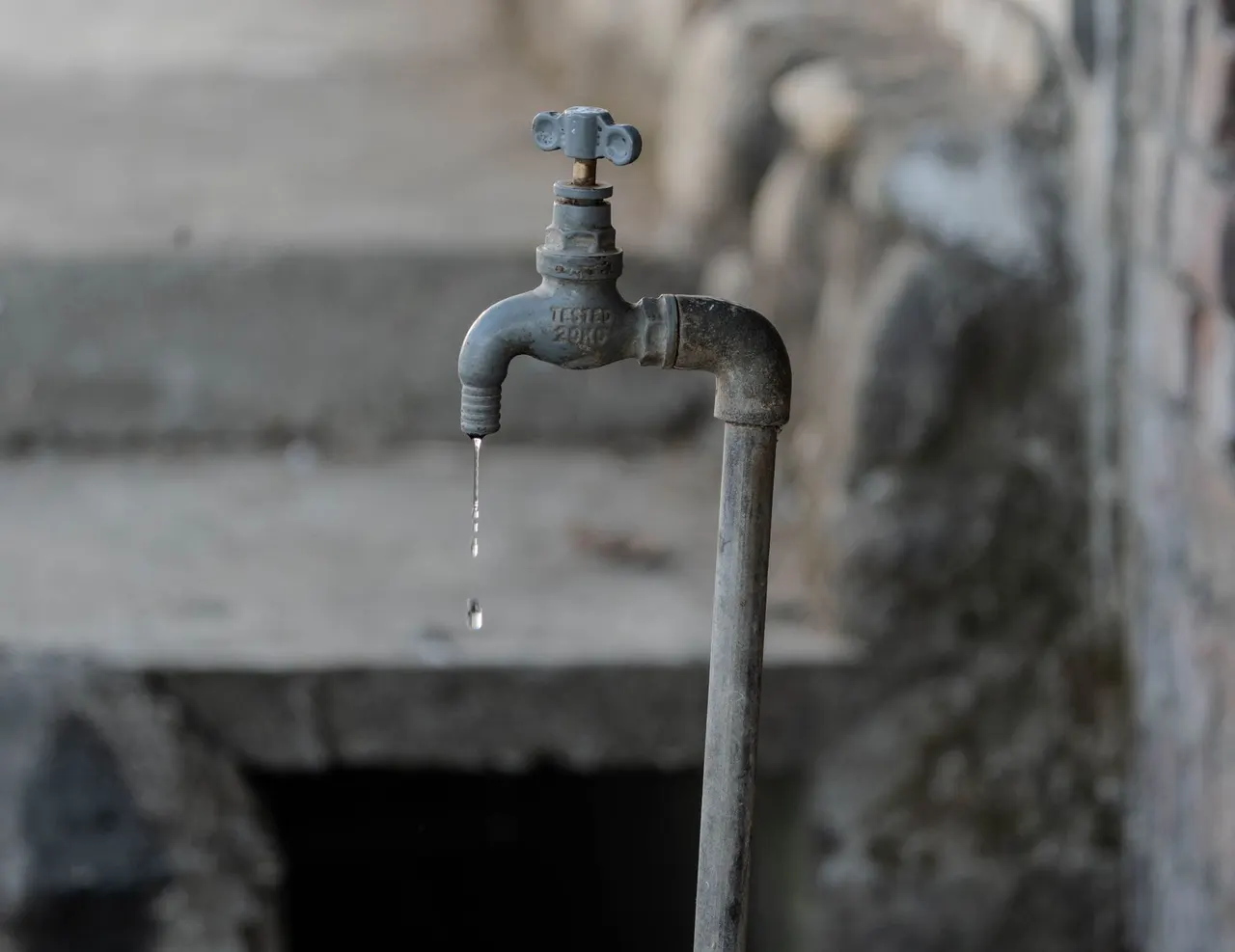
Our acoustic listening devices pick up that hiss through 4 to 6 inches of concrete. We trace the line with a pipe locator and confirm the exact break point before any demolition. Pressurized water escaping a cracked pipe makes a hiss you can hear at night. It usually means the leak has been running for weeks and the soil around the pipe is already washed out.
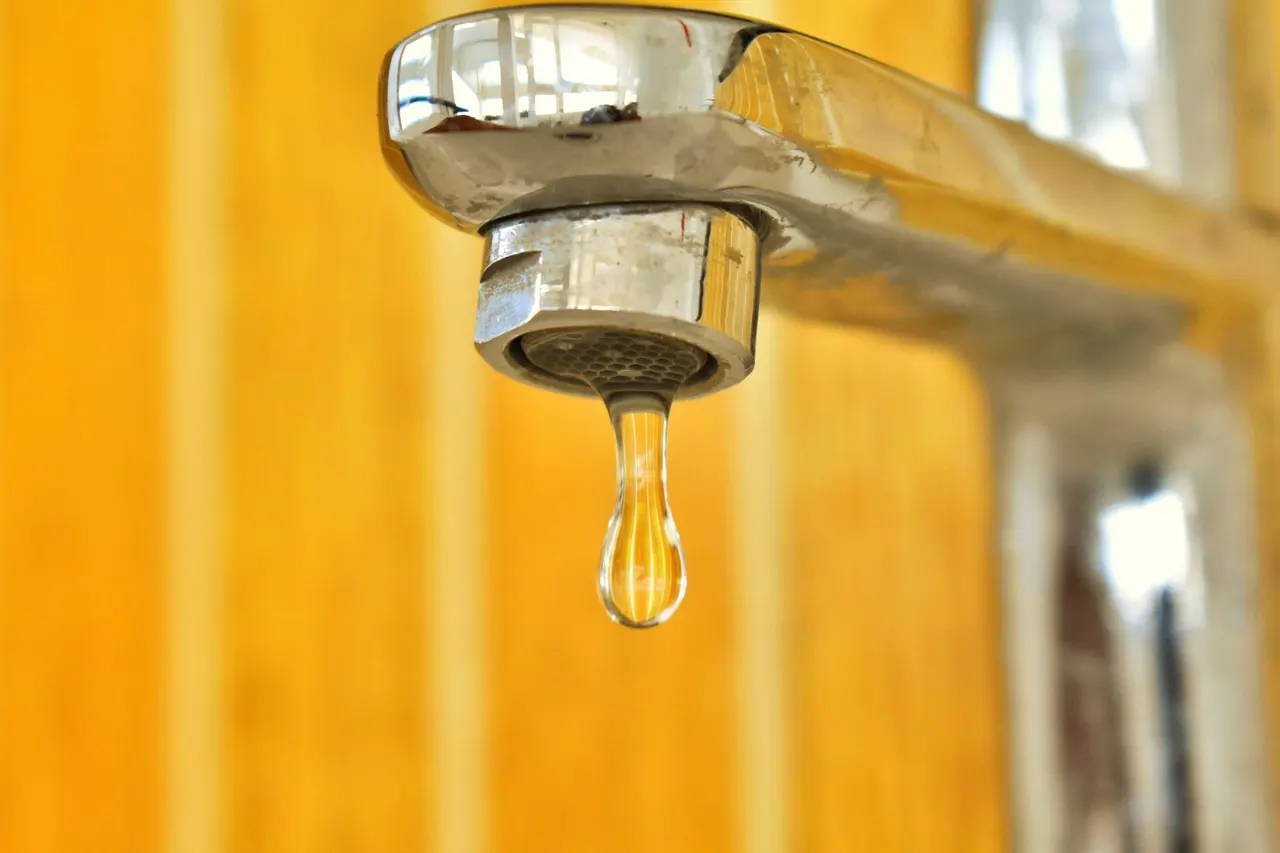
We locate and repair the leak first, then assess the soil loss. If the slab has settled, we recommend a concrete patching mix and waterproofing membrane to stabilize the area and keep future water out. Soil shifting from a long-running leak undermines the slab and opens cracks in the foundation and interior walls. This is the expensive stage of a slab leak.
We mark the leak within inches using acoustic listening devices and thermal imaging cameras before anyone touches a saw. That means one small access opening instead of a torn-up floor. On a typical Kearny job, we cut a 2-foot by 2-foot access panel rather than breaking out an entire room.
Call before noon and we are usually on site the same day. For active leaks flooding a floor, we treat it as a priority and roll a truck immediately. We carry the detection gear on every vehicle, so there is no waiting for a specialist to be scheduled.
Our work follows the IAPMO Uniform Plumbing Code and NJ Department of Environmental Protection Regulations. We pull permits when the scope requires it and build the repair to pass inspection the first time. No shortcuts that come back to bite you at resale.
You get a flat detection price before we unload a single tool. If the repair is more involved, we quote it on the spot so you can decide. No surprise line items, no hourly meter running while we figure out what is wrong.
Emergency slab leak detection in Kearny runs $350 to $750 for most residential calls in 2026. That covers the full diagnostic sweep, the marked leak point, and a written repair quote. The price depends on how many lines we have to isolate, whether we need electronic leak detection in addition to acoustic gear, and how long the sweep takes. If you approve the repair the same day, we credit a portion of the detection fee toward the work. We quote the detection price before we dispatch, so you know the number before a truck leaves the yard. No hourly meter, no surprise line items.
What your estimate is based on
$350 - $750 for most residential detection calls; $750 - $1,400 for commercial or multi-zone systems Finding the leak the first time is what saves you money. A missed leak means a second detection fee, a bigger slab opening, and more water damage. Our flat pricing and on-truck gear mean one visit, one answer, and a repair quote you can act on the same day.
Clear records you can keep and share.
Taped and photographed on your floor
Parts, labor, and concrete patching listed
Shows how far water has spread
A slab leak is not always where the warm spot is. Water follows the path of least resistance under the slab, so the surface symptom can be several feet from the break.
Hot-line leaks show up as a warm floor and a water heater that runs constantly. Cold-line leaks usually show up as a high water bill or a sound of running water with everything off.
Older copper lines often fail in more than one spot. We pressure-test the full run, not just the leak point, so you know whether a reroute makes more sense than a spot repair.
A long-running leak washes out the soil under the slab and can cause settling cracks. We check the soil condition around the leak before we close the floor.
Outside these areas? Call and ask if we cover your street. +16462099461
Most emergency slab leak detection calls in Kearny run $350 to $750 in 2026, depending on how many lines we have to isolate and how long the acoustic sweep takes. That price covers the full detection, the marked leak point, and a written repair quote. If you approve the repair the same day, we credit a portion of the detection fee toward the work. Call +16462099461 for a flat quote before we dispatch.
We do. Kearny Slab Leak Detection Pros answers calls around the clock, including weekends and holidays, at +16462099461. A live dispatcher takes your information and sends the nearest available technician. For active leaks, we aim to have a truck at your door within 60 to 90 minutes anywhere in Kearny, including Arlington Manor and the Belleville border.
Yes. Call before noon and we can usually have a technician on site the same afternoon. Same day emergency slab leak detection Kearny NJ appointments are standard for us, not a premium add-on. If you are seeing water on the floor right now, tell the dispatcher and we will move you to the front of the schedule.
Shut off the main water valve first, then call us at +16462099461. Do not run the water or the heating system until we arrive. If you have a warm spot on the floor, mark it with tape so we can compare it against the thermal camera reading. Move anything valuable off the floor in that area, and take a photo of your water meter before and after a 30-minute period with all fixtures off.
Water under your slab gets worse every hour. We answer the phone 24/7, dispatch the nearest truck, and give you a flat detection price before we start. Call +16462099461 and we will find the leak today.
Call us at +16462099461 and we will ask a few questions about your water bill, your floor, and any sounds you hear. Most calls get a same-day visit. We serve Kearny and the surrounding Hudson County area, and we are open Monday through Friday from 8 a.m. to 6 p.m.