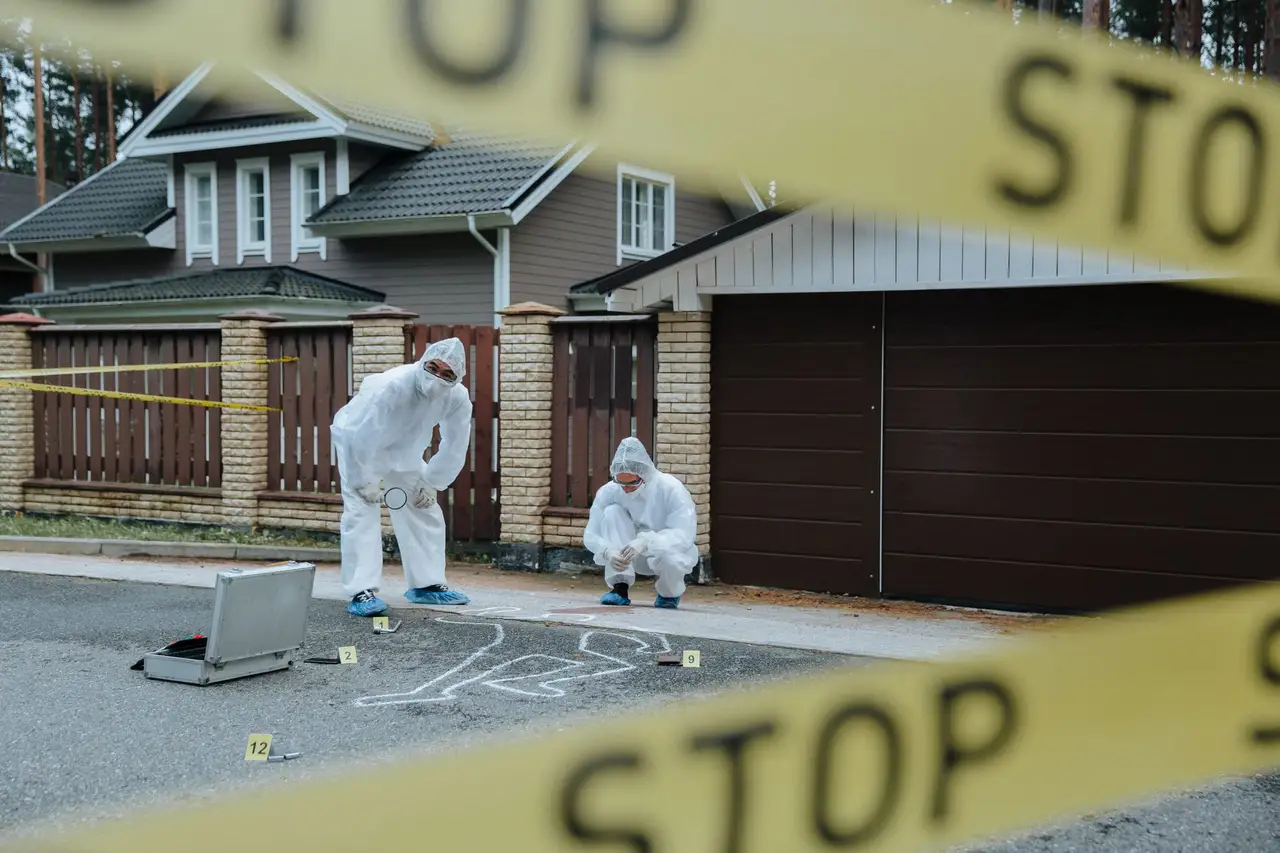
Marked floor spot
Tape on the exact repair location
Thermal Imaging Leak Detection Kearny NJ uses infrared cameras to map the warm spot under your floor and pinpoint a hidden water leak without tearing up the slab. If your water bill jumped, a floor feels warm, or you hear water running when nothing is on, we scan the line, mark the break, and tell you exactly what it takes to fix it. We work Kearny, NJ homes and businesses every week.
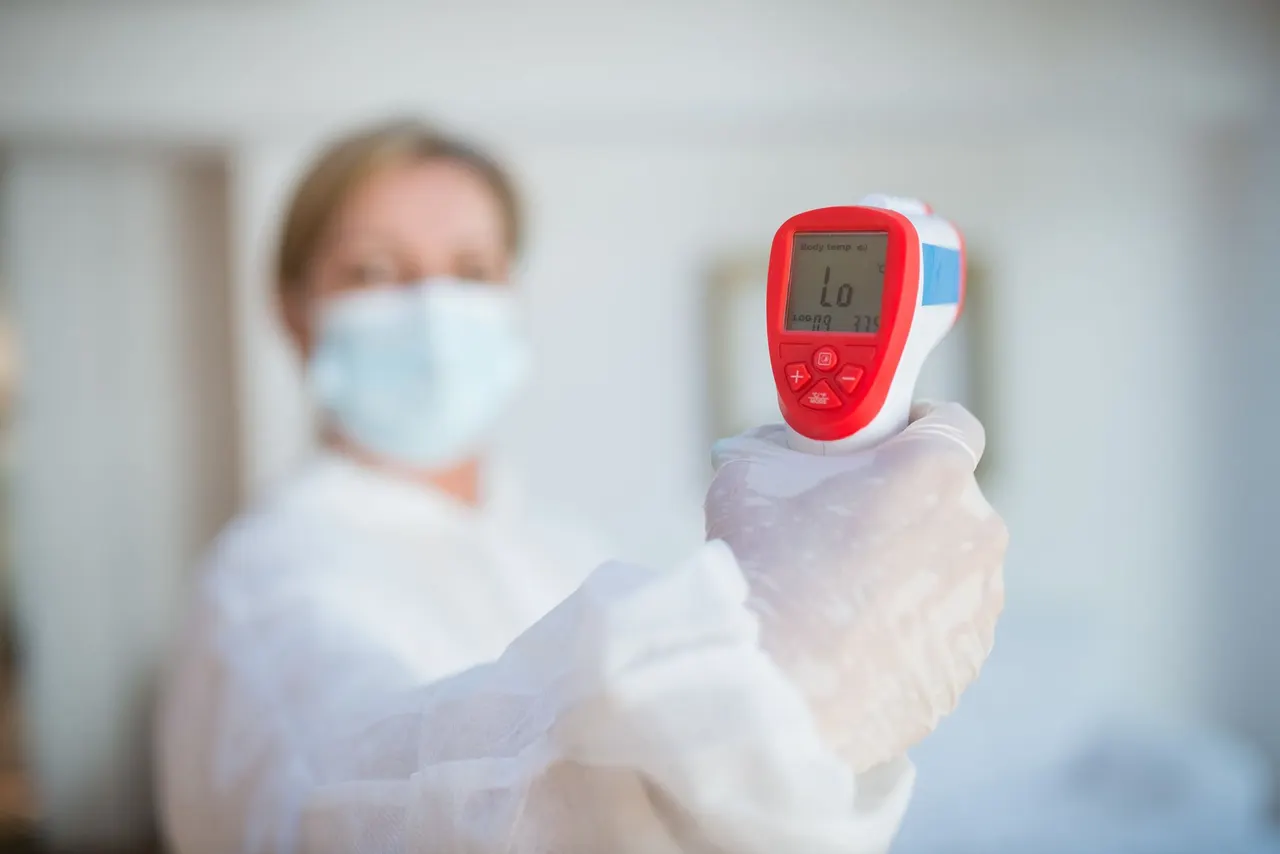
The diagnostic visit covers the full scan, the confirmation tools, and the written findings you take away. Repairs, concrete patching, and flooring replacement are quoted separately once we know what we are dealing with. Here is what you get on the day of the scan.
We scan single-family homes, duplexes, and small multi-unit buildings across Kearny. The camera reads the temperature band over a leaking line, and we confirm the spot with a listening tool before we mark the floor.
We scan commercial slabs, restaurants, and multi-unit properties on the industrial side of Kearny. Longer pipe runs and thicker concrete mean we run the listening tool longer to confirm each thermal hit before marking.
Thermal Imaging Leak Detection Kearny NJ is a non-invasive diagnostic service that uses an infrared camera to read temperature differences across floors, walls, and ceilings. Water escaping a pressurized line changes the surface temperature above it, and the camera turns that invisible difference into a clear thermal image. We pair the camera with acoustic listening devices and moisture meters so the hot spot on screen matches the sound of moving water underground. You get a marked location, not a guess.
Most Kearny calls start the same way: a water bill that doubled, a warm patch in the hallway, or a hairline foundation crack that keeps coming back. Older homes around Arlington Manor and the Belleville line often run copper pipes under original concrete, and that concrete hides the problem until the damage is expensive. Infrared leak detection near me Kearny searches are usually homeowners trying to avoid a full floor tear-out. We scan first, so the repair crew opens one small section instead of the whole room.
We read the heat under your floor before anyone picks up a hammer.
The visit is simple and non-destructive. We ask a few questions, scan the suspect areas, confirm with a second tool, and hand you a marked location. Most jobs are done in 60 to 90 minutes.
You call and describe what you are seeing: warm floor, high bill, running water sound, or a damp spot near the baseboard. We ask when it started and whether the meter still spins with everything off. That five-minute conversation tells us which rooms to scan first and whether you need emergency slab leak detection or a standard appointment.
We walk the suspect area with a Flir thermal imaging camera, watching for temperature bands that follow a pipe run. A hot-water line leak shows as a warm streak; a cold line shows as a cool one. The sweep covers the full room, not just the spot you noticed, because the source is often 4 to 8 feet from where water surfaces.
The camera gives us a zone. We then use acoustic listening devices and a LeakTronics electronic leak detection setup to confirm the exact line and depth. Pressure testing gauges tell us whether the leak is on the supply side or the drain side, which changes the repair plan completely.
We mark the location on the floor with tape and photograph the thermal image with the temperature scale visible. You get the moisture meter readings, the camera image, and a plain-language summary of what we found and where. Your plumber or our repair crew works from that mark.

If you want us to fix it, we quote the repair on the spot and schedule it, often the same week. If you are using your own plumber, we send the marked location and images so they arrive knowing exactly where to open the floor. Either way, you are not paying for exploratory demolition.
Reads temperature differences across floors and walls to show where water is escaping a pressurized line. We use it first on every diagnostic because it covers a whole room in minutes.
Picks up the sound of water moving through a break in the pipe, even under 4 inches of concrete. It confirms the thermal hit and narrows the location to within 12 to 18 inches.
Sends a signal down the line and reads where it escapes. Useful on long runs or when thermal contrast is weak, and it helps identify pipe material before we open the floor.

Tells us whether the leak is on the supply side or the drain side. That single reading changes the repair plan, so we run it on every job before we mark the floor.

Gives a baseline reading at the suspect spot and at control points nearby. You get the numbers in writing so you can re-check after the repair and confirm the slab is drying.
Lets us look inside accessible drain lines to confirm cracks, root intrusion, or pipe corrosion before we commit to a repair scope.
Maps the actual pipe run under the slab so we know the depth and direction before the repair crew opens the concrete.
Every job starts with a full thermal sweep, not a hammer. The camera covers the whole suspect room in under 15 minutes and gives us a zone to confirm. This is the step that keeps the concrete opening small and the repair cost predictable.
We run a full thermal sweep on the slab and confirm any hot spot with acoustic listening devices. If the meter still spins with everything off, we focus on the supply side first. The scan takes under an hour and gives you a marked location. You know exactly where the leak is and can schedule the repair with confidence, usually the same week.
Warm floors point to a hot-water line leak. We scan the room with the thermal camera, confirm with a moisture meter, and check the pipe material with a video inspection camera if the line is accessible. The repair is usually a small section swap. The warm spot is traced to a specific pipe, the repair is scoped, and the floor goes back down once.
Running water with no fixture on is a classic slab leak symptom. We scan the slab, then use acoustic listening devices to confirm the sound matches the thermal hit. Pressure testing gauges tell us whether it is supply or drain. You get a confirmed leak location and a repair plan, often scheduled within 48 hours.
We scan the slab around the crack with thermal imaging, then map the moisture with a meter. If the crack is being fed by a hidden leak, we mark the source so the repair crew can fix the pipe before the crack is patched again. The crack gets patched once, on dry concrete, and stays closed through the next season.
Kearny sits on a mix of clay and fill soils along the Passaic River, and that ground moves with the freeze-thaw cycle every winter. A slab that was stable in October can shift an inch by February, which is when most of our copper pipe corrosion calls come in. The housing stock matters too: a lot of Kearny homes were built between 1920 and 1960 with original copper pipes under 4-inch concrete slabs, and those lines are now 60 to 100 years old. Newer builds on the east side of town often use PEX piping, which fails differently and reads differently on a thermal camera. We calibrate for both. If you are searching for infrared leak detection in Kearny NJ same day, we keep the diagnostic kit on the truck so we can scan the same afternoon you call. We also work regularly in Arlington Manor and across the Belleville line, where the slab depths and soil conditions are similar. Every scan follows the same sequence: thermal sweep, acoustic confirmation, moisture readings, marked location, written summary.
A homeowner in Arlington Manor saw her water bill jump from $95 to $240 in one quarter. Nothing in the house was visibly wet, and the meter kept spinning with every fixture off. She had already paid a plumber $300 to look around with no result.
We scanned the kitchen and hallway with the thermal camera and marked an 18-inch zone over a hot-water line. The repair crew opened that section, found a pinhole in the copper, and swapped a 3-foot piece. Her next bill came in at $102.
We pressure-tested the new section before patching the concrete. Re-check the moisture meter reading in 30 days to confirm the slab is dry, and keep an eye on the bill for the first two cycles.
A property manager near the Belleville line had a tenant complaining about a warm bathroom floor for three weeks. Two plumbers had guessed at the cause and quoted a full bathroom tear-out at $6,500. No one had scanned the slab.
Our thermal sweep found a hot-water leak under the tile, 4 feet from where the warmth was strongest. We marked the spot, and the repair crew opened a 2-foot square, swapped the failed section, and patched the concrete. Total repair came in under $1,800.
The tile was re-set over the patch. We recommend a moisture meter check at 30 and 90 days, and a thermal re-scan if the floor ever feels warm again.
A homeowner on the 07032 side had patched the same foundation crack three times in two years. Each patch failed within six months. The baseboard nearby stayed damp, and a musty smell had settled into the basement.
Thermal imaging traced the moisture to a slow drain leak under the slab, 6 feet from the crack. We marked the source, the repair crew fixed the drain with a lined section, and the crack was patched once on dry concrete. It has held through two winters.
Keep the basement humidity under 50 percent with a dehumidifier, and re-check the crack line each spring for any new movement. A thermal re-scan is worth it if the smell ever returns.
Most Kearny slab leaks start small and stay invisible for weeks. By the time water reaches the surface, the damage underneath is already expensive. Here are the problems we see most often and what the scan does about them.
We scan the whole slab with the thermal camera and confirm with acoustic listening devices. Once we mark the break, the repair is usually a small section swap, not a full repipe. Most customers see the bill drop back to normal the first full month after the fix. A pinhole leak in a pressurized line can waste 30 to 60 gallons a day, which shows up on the bill long before it shows up on the floor. Left alone, that water undermines the slab and the soil under it.
Thermal imaging is the fastest way to trace a hot-water leak because the temperature contrast is strong. We mark the source, check the moisture readings, and hand the location to the repair crew. The floor goes back down in one piece. A warm floor usually means a hot-water line is leaking under the slab. The heat spreads through the concrete, so the warm zone gets bigger as the leak gets worse, and the moisture feeds mold growth along the baseboards.
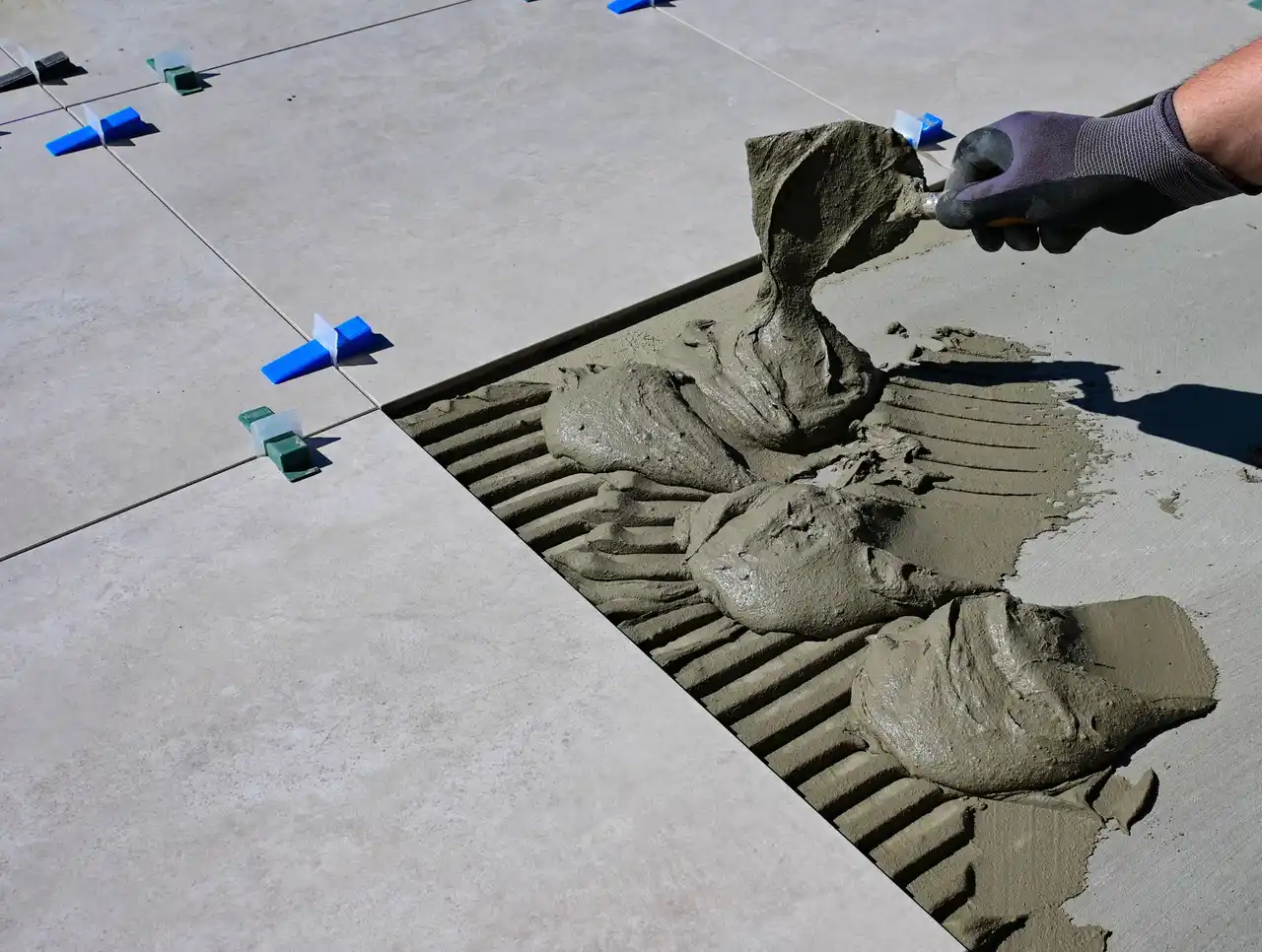
We scan first to find the water source, then confirm with pressure testing gauges whether it is a supply or drain leak. Once the leak is repaired, the crack can be patched with concrete patching mix and a waterproofing membrane that actually holds. Water under a slab softens the soil and shifts support, which pushes cracks wider every season. Patching the crack without fixing the leak is a temporary fix that fails within a year.
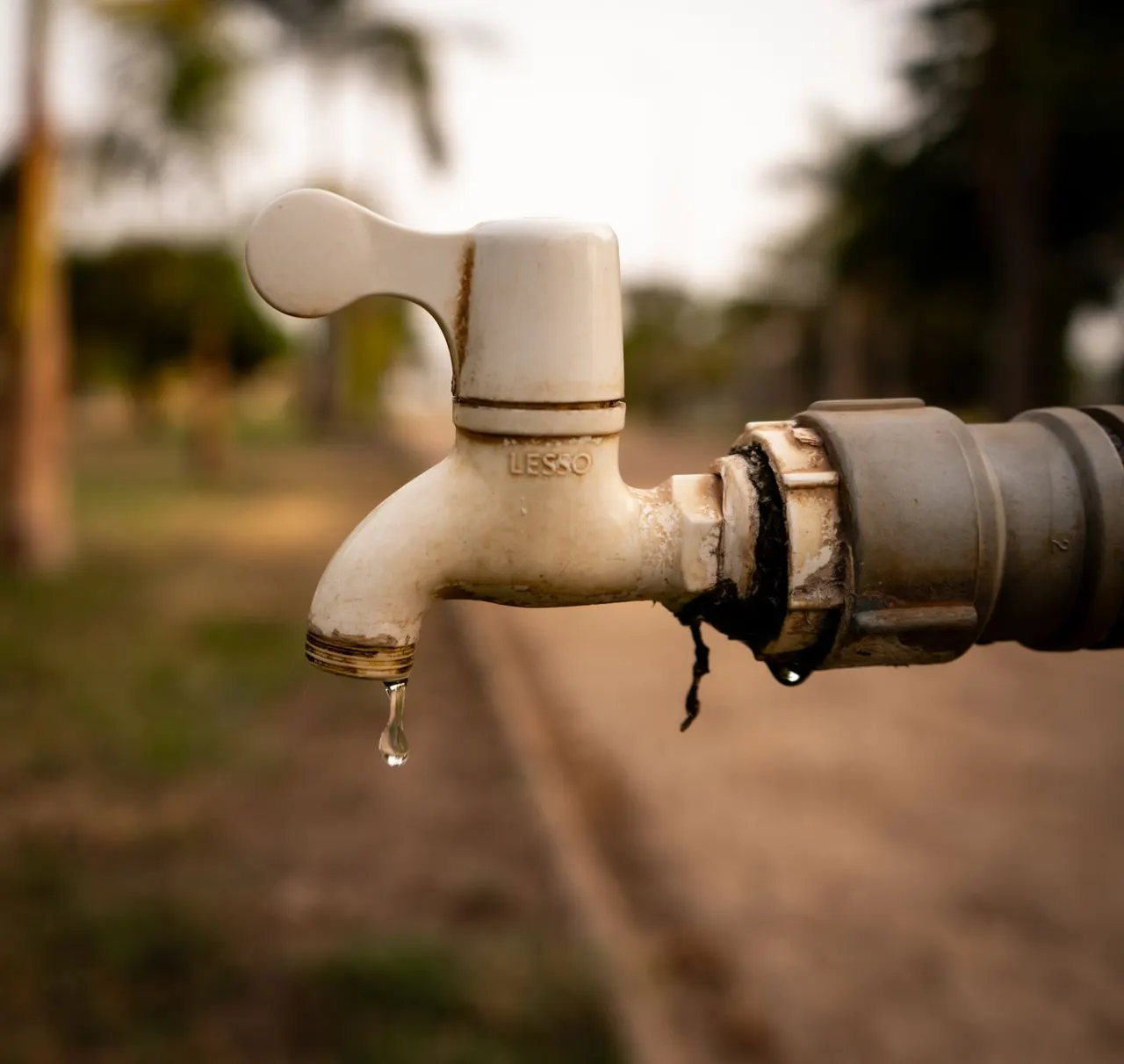
We use moisture meters to map the wet zone and thermal imaging to find the source. You get a marked location and a drying plan. Once the leak is fixed and the slab dries, the mold source is gone and the smell clears. A slow slab leak keeps the concrete damp for months, and mold growth starts within 48 hours of sustained moisture. Air quality drops, and the smell gets into furniture and drywall.
We scan the whole slab in about 30 to 45 minutes and mark the warm zone with tape. Instead of breaking out a 10-foot section hoping to find the pipe, your plumber opens a 2-foot square. That is less concrete patching mix, less flooring to replace, and a faster return to normal.
Acoustic listening devices hear water moving, but a slow weep under thick concrete can stay silent. The thermal imaging camera reads the temperature signature instead, which is why we run both. On a recent Arlington Manor job, sound gave us a 6-foot area and the camera cut it to 18 inches.
Water under a slab softens soil, shifts support, and pushes foundation cracks wider. Finding the source in week one instead of month three keeps a $400 diagnostic from turning into a $9,000 foundation repair. We document the moisture readings so you can track whether the fix worked.
When water is actively rising through a floor, we can run thermal imaging slab leak detection Kearny the same day you call. The scan takes under an hour, and you get a written location and a clear next step before we leave the driveway.
Typical 2026 pricing for a residential thermal imaging scan in Kearny runs $250 to $450, depending on the size of the slab and how many suspect zones we need to cover. Commercial slabs and multi-unit buildings can run higher because the pipe runs are longer and the concrete is thicker. We quote the diagnostic upfront on the phone, so you know the number before we knock. If you book the repair with us, we credit the diagnostic toward the job. Affordable infrared leak detection Kearny does not mean skipping the confirmation tools, and we do not. Every scan includes the thermal sweep, acoustic confirmation, moisture readings, and a written summary.
What your estimate is based on
$250 - $450 for most residential scans; commercial quoted per property The scan costs a fraction of the concrete and flooring you would replace by guessing. On a typical Kearny job, thermal imaging cuts the repair opening from 10 feet to 2 feet, which saves $1,500 or more in patching and flooring alone.
Clear records you can keep and share.
Tape on the exact repair location
Photos with the temperature scale visible
Baseline numbers to re-check after repair
A thermal camera reads surface temperature, not water itself. It shows you where the slab is warmer or cooler than it should be, and that pattern points to the leaking line underneath.
A hot-water leak shows as a warm band that follows the pipe run. A cold-water leak shows as a cool band. Both are readable, but the hot-water pattern is usually stronger and easier to mark.
Direct sun on a floor or a heating duct running under the slab can create false hot spots. We scan at the right time of day and cross-check with the listening tool so a duct never gets marked as a leak.
A drain leak only shows on the camera after water has sat long enough to cool the slab. That is why we sometimes scan, wait, and scan again, or bring in a video inspection camera to confirm the drain line.
Outside these areas? Call and ask if we cover your street. +16462099461
Most residential scans in Kearny run $250 to $450 in 2026, and the visit takes 60 to 90 minutes. The price covers the thermal sweep, acoustic confirmation, moisture readings, and a marked location on your floor. Larger homes, multiple suspect zones, or commercial slabs can push it higher. If you book the repair with us, we credit the diagnostic toward the job.
It is a non-invasive scan that uses an infrared camera to read temperature differences across your floor and walls. Water escaping a pressurized line changes the surface temperature above it, and the camera shows that as a warm or cool band. We confirm the reading with acoustic listening devices and a moisture meter, then mark the exact spot so the repair crew opens a small section instead of the whole room.
Yes, when it is paired with a second tool. A thermal camera alone can be thrown off by sun load, HVAC ducts, or a recent shower. We confirm every thermal hit with acoustic listening devices and pressure testing gauges before we mark the floor. On typical Kearny slabs, that combination narrows the leak to within 12 to 18 inches of the actual break.
Yes. Thermal imaging for slab leaks in Kearny NJ works well on both hot and cold supply lines, and it also picks up drain leaks when water has been sitting long enough to cool the slab. We scan the full suspect room, not just the wet spot, because the source is often several feet from where water surfaces. You get a marked location and a written summary the same day.
If your water bill jumped or a floor feels warm, call us at +1 646-209-9461 and we will scan it before the damage spreads. We quote the diagnostic upfront, show up when we say we will, and leave you with a marked location and a written summary.
Call us at +16462099461 and we will ask a few questions about your water bill, your floor, and any sounds you hear. Most calls get a same-day visit. We serve Kearny and the surrounding Hudson County area, and we are open Monday through Friday from 8 a.m. to 6 p.m.